£50 - £400
Longer cables or extra trunking
e.g. If your parking space is a long distance from your electricity supply

Some customers need a couple of extras to have a chargepoint installed. You can learn more about these extras on this page. Or, if you want to see a personalised overview of your suitability, complete the home chargepoint assessment using the link below.

If you rent your home, you will need to get the property owner's permission before you can have a home charger installed.

If additional work is required to install a chargepoint at your home, you will need to pay extra.

Charging at home when you park on the street is usually not allowed but your local council may install a cable channel to allow you to do this safely.

Order your EV at your preferred dealer. They may ask you a few questions to confirm you are suitable for a home chargepoint.
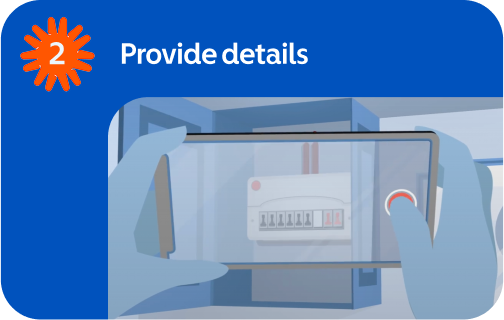
Our chargepoint installation partner will ask you to complete an online home survey to provide some details and photos of your home. This is so they can check what work needs to be done.
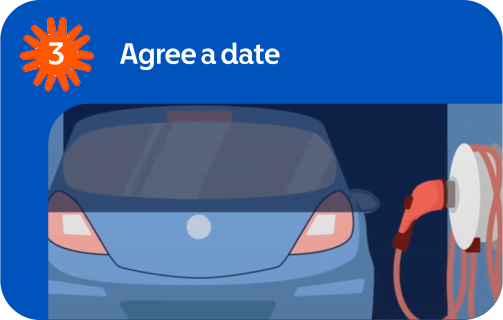
Once you have provided the necessary information our installer will arrange a suitable date to install your chargepoint. Installation normally takes a few hours.

Not every council allows cable channels. You can check your local council's application process by visiting their website.
If your council approves the cable channel, let us know. We’ll help you arrange your home charger application with Ohme.
Cable channels are priced separately from your home charger and installation. Typical costs range from £999 to £1,999, depending on your local authority and the type of installation. Some councils may offer support or discounts.
Cable channels are built into the pavement, so to use one you’ll need to bend or crouch down to insert the cable. This can be difficult if you have limited mobility. Before applying, make sure you, or someone who supports you, will be able to safely use the product.
We’re working with manufacturers to improve the design and accessibility of these products.

Who do I need to get permission from? The legal homeowner. This could be your landlord, council, or housing provider.
How should I get the permission? You should get written or verbal confirmation that they are happy to go ahead with the installation.
Why is permission needed? To comply with your tenancy agreement and avoid future disputes.
Who do I need to get permission from? The legal homeowner and your local council.
How should I get the permission? You should get written permission from both parties.
Why is permission needed? To comply with legal protection of the listed building and meet the terms of your tenancy agreement.
Who do I need to get permission from? The owner or manager of the communal space
How should I get the permission? You should get written confirmation what they agree to the installation.
Why is permission needed? To plan the installation carefully, avoid trip hazards, and reduce the risk of complaints.
*A shared space could include corridors, driveways, or shared walls. If cables need to cross these spaces, extra groundworks might be needed. This would come at an extra cost.
Once you have got initial permission, our home charging partner, Ohme, will review your setup and confirm if any further steps are needed. Most installations are straightforward. But if extra permissions are needed, they'll guide you through what to do next. You can find out more about Ohme's permissions process at the link below.

We’ve broken down some common examples below to give you a sense of what additional work could cost. If you need any of this, Ohme, our home charging partner, will explain what’s needed and give you a clear quote before anything goes ahead.
e.g. If your parking space is a long distance from your electricity supply
e.g. If you need a new fuse board
e.g. Running the cable from your loft or underground
e.g. digging a trench for the cables or mounting your chargepoint on a post.